

If you’ve been in an accident, one of the first questions on your mind is likely: How much compensation can I expect? Understanding accident damages calculation is key to knowing your rights and making sure you receive fair compensation.
You might think it’s just about adding up medical bills, but the process goes much deeper. From pain and suffering to lost wages and future medical needs, many factors play a role in determining your settlement. You’ll discover exactly how damages are calculated, what you should consider, and how you can protect your interests.
Keep reading to empower yourself with the knowledge you need to navigate your accident claim confidently.
Types Of Accident Damages
Economic damages cover costs you can count and prove. These include medical bills, lost wages, and property damage. They also cover future expenses if you need ongoing care or therapy.
Non-economic damages pay for less visible losses. These include pain and suffering, emotional distress, and loss of enjoyment of life. These damages are harder to measure but very important.
Punitive damages are meant to punish the wrongdoer. They are awarded when the behavior was very careless or intentional. These damages are not common but can be very high to warn others.

Factors Affecting Compensation
Injury severity plays a big role in compensation amounts. More serious injuries usually mean higher damages. This covers medical bills, pain, and suffering.
Liability and fault determine who must pay. If the other party is mostly at fault, compensation is higher. Shared fault can reduce the payout.
Insurance coverage limits set the maximum money available. If insurance is low, compensation might not cover all damages.
Future medical expenses include costs for ongoing care or therapy. These must be estimated and added to the total claim.
Lost wages and earning capacity account for time missed at work and reduced ability to earn. Compensation covers income lost and future earning losses.
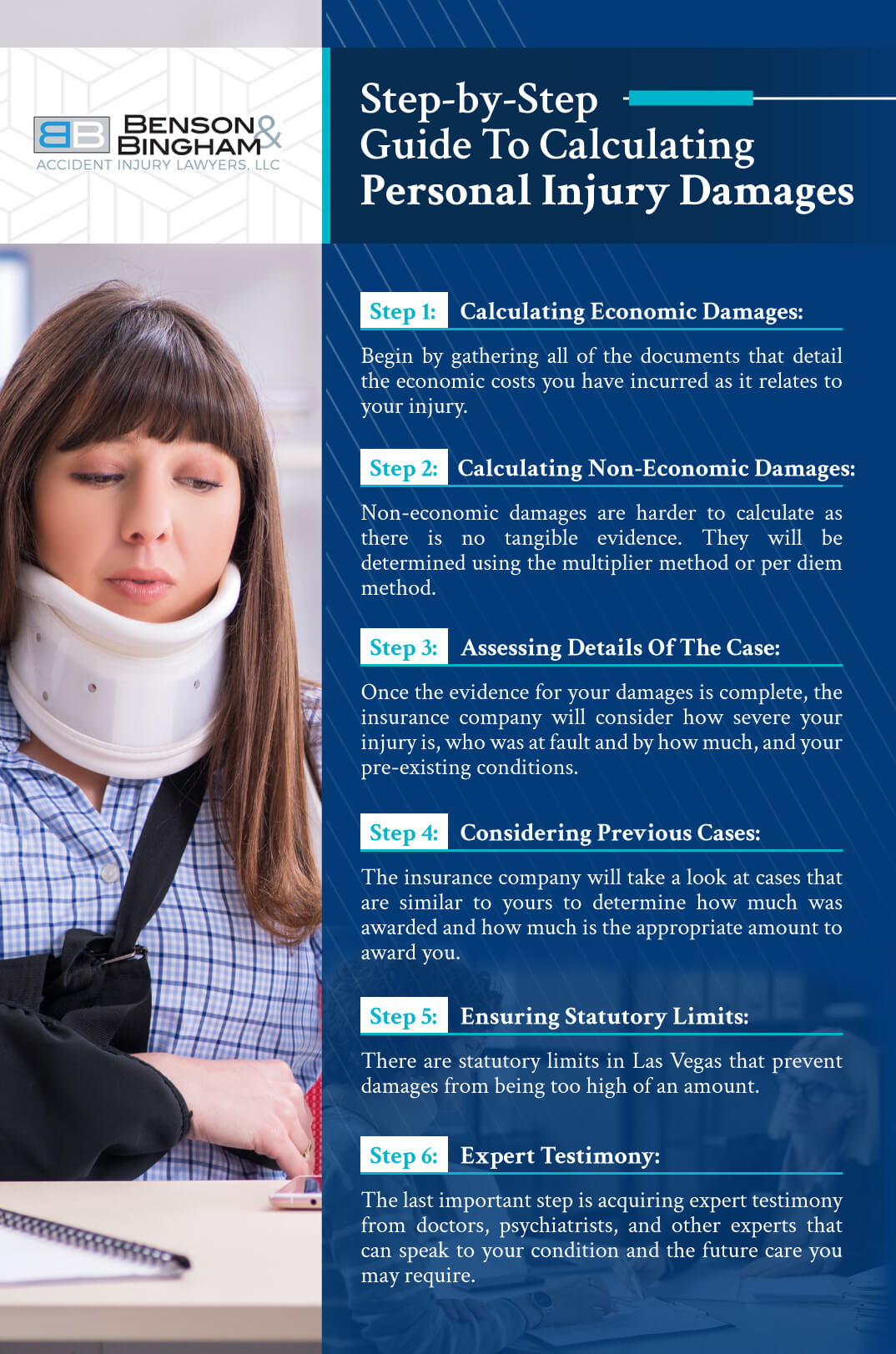
Calculating Economic Damages
Medical bills cover hospital stays, doctor visits, and medicines. Keep all receipts and records. Treatment costs also include future therapy or surgeries needed.
Property damage means repair or replacement of your vehicle and other belongings harmed in the accident. Get an estimate from a trusted mechanic or appraiser.
Lost income counts wages lost during recovery. Include sick days and reduced work hours. Also, add lost benefits like bonuses or health insurance from missed work.
Estimating Non-economic Damages
Non-economic damages cover losses that are hard to measure with money. These include pain and suffering, emotional distress, and loss of enjoyment of life.
Pain and suffering means physical hurt and discomfort after an accident. It can last days or years.
Emotional distress refers to feelings like anxiety, sadness, or fear caused by the accident. It affects mental health deeply.
Loss of enjoyment of life happens when injuries stop someone from doing activities they loved before. This may reduce their happiness and daily pleasure.
Each case is different. Experts use various ways to estimate these damages. They often look at the injury’s severity and how long effects last.
Multiplier Method For Pain And Suffering
Special damages include all your medical bills, lost wages, and repair costs. Add up these costs carefully. This total is the base for the multiplier method.
The right multiplier depends on how bad your injury is. Minor injuries might use a multiplier of 1.5 to 2. More serious injuries use 3 to 5 or higher. The multiplier reflects pain, suffering, and life impact.
To apply the multiplier, multiply your total special damages by the chosen multiplier. For example, if your special damages are $10,000 and your multiplier is 3, your pain and suffering damages will be $30,000. Add this to your special damages for total compensation.

Using Settlement Calculators
Online settlement calculators help estimate accident damages. They ask for details like medical bills, lost wages, and injury severity. The calculator uses this info to provide a rough settlement range. This saves time compared to manual calculations.
These tools use preset formulas, often including multipliers for pain and suffering. They consider economic and non-economic damages. Some calculators also factor in insurance limits.
Limitations exist. Calculators don’t include all case specifics like fault or long-term impacts. They cannot replace advice from a lawyer. Results are only estimates and may not reflect actual settlements.
Always use calculators as a starting point. Real case values depend on many factors beyond simple inputs.
Legal Representation Impact
Legal representation can greatly influence the outcome of accident claims. Skilled lawyers know how to negotiate with insurance companies effectively. They understand insurance tactics and use strong arguments to protect your rights.
Insurance companies often offer low settlements to save money. A lawyer helps by maximizing settlement offers. They gather evidence, calculate damages accurately, and present a solid case. This increases the chance of getting fair compensation.
Without legal help, claimants might accept less than they deserve. Lawyers also handle all communication, reducing stress. Their experience means quicker resolutions and better results for clients.
Common Mistakes To Avoid
Accepting low offers can cause you to lose money. Insurance companies may offer less than what you deserve. Always review offers carefully before agreeing. You might miss out on fair compensation if you accept too quickly.
Ignoring future expenses is a big mistake. Medical bills and lost wages can continue for months or years. Make sure to account for all future costs related to your injury. This helps to get a more accurate damage amount.
Not documenting injuries properly makes claims weaker. Keep photos, medical reports, and receipts to prove the extent of your injuries. Good records provide strong evidence and support your case better.
Frequently Asked Questions
How Much Will I Get From A $50,000 Settlement?
A $50,000 settlement payout depends on medical bills, legal fees, and taxes. Net amount varies by case specifics.
How Much Compensation For Arthritis?
Compensation for arthritis varies based on injury severity, medical costs, lost wages, and pain and suffering. Legal representation affects settlement amounts.
What To Do With A $500,000 Settlement?
Invest in a diversified portfolio, pay off high-interest debts, save for emergencies, and consult a financial advisor. Consider taxes and future needs.
What Is The Formula For Accident?
The formula for accident damages typically equals economic damages plus non-economic damages multiplied by a severity factor. Economic damages cover medical costs and lost wages. Non-economic damages include pain and suffering. The severity multiplier reflects injury seriousness and impact on life.
Conclusion
Accident damages calculation helps determine fair compensation after a crash. It considers medical bills, lost wages, and pain suffered. Each case is unique, so numbers can vary widely. Understanding how damages work supports better decisions. Always keep detailed records of your expenses and injuries.
This makes the process smoother and more accurate. Knowing the basics can reduce stress during claims. Protect your rights by staying informed throughout the process.
Read More
- Car Crash Attorney Review: Expert Insights for Your Case Success
- Contingency Accident Lawyer Fees: What You Need to Know Today
- Permanent Impairment Claim Value: Maximize Your Compensation Today
- Accident Rehabilitation Compensation: Maximize Your Claim Today
- Insurance Claim Legal Review: Maximize Your Settlement Success
- Accident Compensation Filing Process: Ultimate Guide to Maximize Claims
- Crash Claim Evidence Guide: Essential Tips to Win Your Case
- Accident Claim Settlement Help: Expert Tips to Maximize Your Payout
- Pain Damages Legal Advice: Expert Tips to Maximize Your Claim
- Accident Counsel Free Consultation: Get Expert Help Now!