If you’ve been in a car crash, you know how overwhelming the aftermath can be. One of the most important steps to protect your rights and get the compensation you deserve is gathering strong evidence for your crash claim.
But what exactly counts as solid proof? And how do you make sure you don’t miss anything crucial? This Crash Claim Evidence Guide is designed just for you. It breaks down the essential types of evidence you need, how to collect them quickly, and tips to strengthen your case.
Keep reading to learn how to turn your crash experience into a winning claim—and avoid common mistakes that could cost you. Your future depends on what you do now.
Key Evidence Types
Police reports provide official details about the crash. They list involved parties, witnesses, and damages. These reports help clarify fault and support your claim.
Photographs and videos capture the accident scene clearly. Images of vehicle damage, road conditions, and traffic signs are vital. Videos can show the crash as it happened.
Witness statements offer unbiased accounts of the accident. They confirm the sequence of events and who caused the crash. Written or recorded statements work well.
Medical records prove injuries from the crash. They document treatment, diagnosis, and recovery progress. These records link health problems directly to the accident.
Accident scene sketches display the crash layout. Drawings show vehicle positions, road features, and impact points. They help explain how the crash occurred.

Collecting Evidence At The Scene
Take clear photos and videos of the accident scene from different angles. Capture the position of all vehicles involved. Include close-ups of any visible damage on cars and nearby objects. This visual proof helps show what happened.
Record witness contacts carefully. Ask for their full name, phone number, and address. Witnesses can provide important details that support your claim.
Note road conditions like wet pavement, potholes, or poor lighting. These factors might explain how the crash occurred.
Preserve vehicle damage by not fixing or cleaning the cars before a professional inspection. Damage patterns tell a lot about the impact and fault.
Documenting Injuries
Capturing medical diagnoses is essential. Always keep copies of all doctor notes and test results. These documents show the exact injuries caused by the crash. Tracking treatment progress helps prove ongoing care. Keep a diary of all doctor visits, therapies, and medications. This shows how your health changes over time.
Recording pain and suffering is important too. Write down daily pain levels and how injuries affect your life. This helps show the emotional and physical impact of the accident. Using expert medical testimony can strengthen your claim. Doctors can explain how injuries relate to the crash and the treatment needed.
Handling Insurance Claims
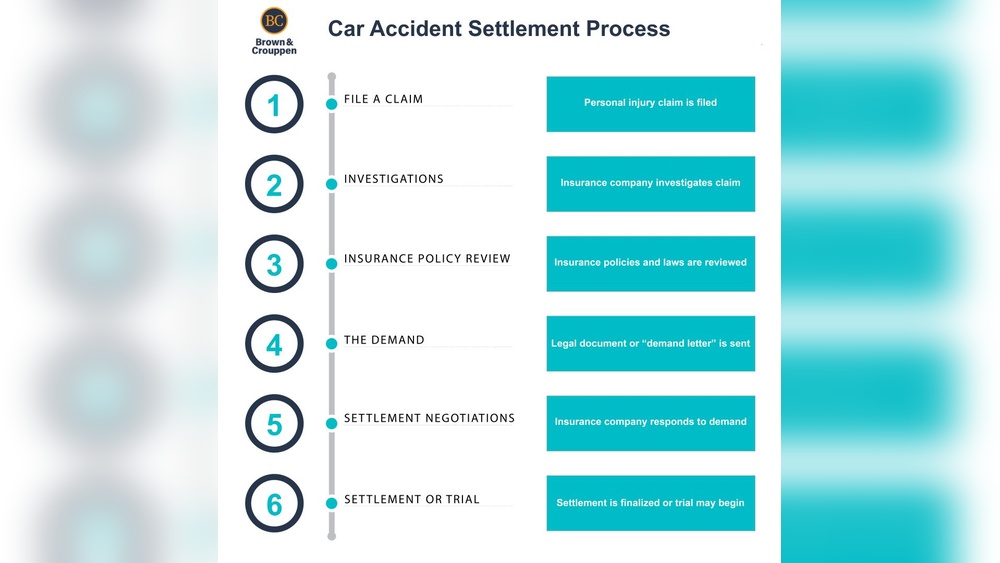
Report the accident to your insurance company quickly. This helps start the claim process without delays. Provide clear facts about what happened. Avoid making statements that admit fault or blame others. Such comments can harm your claim.
Gather and submit all evidence carefully. Useful items include photos of damages, witness contact info, and a police report. Medical records linking injuries to the crash are vital. Proper evidence helps prove your case.
During settlement talks, review offers carefully. Don’t accept too low a payment. Negotiation may lead to a better outcome. Stay calm and patient while discussing with insurers.
Proving Hard-to-see Injuries
Traumatic Brain Injuries (TBI) often do not show clear signs. Doctors use scans like MRI or CT to find damage. Witness accounts and medical tests help prove the injury. Symptoms such as headaches, dizziness, or memory loss can support your claim.
Soft Tissue Damage includes injuries to muscles, ligaments, and tendons. These injuries are hard to see on X-rays. Medical records and physical exams are important proof. Photos of bruises or swelling also help show the injury.
Chronic Pain Conditions develop over time after a crash. Pain may not match visible injury. Detailed medical reports and pain journals show ongoing suffering. Expert testimony can explain how the crash caused pain.
Psychological Harm like anxiety or PTSD needs special proof. Therapy records and psychological evaluations support these claims. Statements from family or friends may describe changes in behavior or mood. This type of harm is real and affects daily life.
Legal Support And Preparation
Working with an attorney helps you understand your rights and options. An attorney guides you through legal steps and communicates with insurance companies. Choose a lawyer who has experience with crash claims. This support makes the process easier and clearer.
Preserving digital evidence is critical. Save photos and videos from the accident scene on multiple devices. Secure text messages, emails, and social media posts related to the crash. Digital data can prove fault and support your claim.
Preparing for depositions involves practicing clear and honest answers. Stay calm and listen carefully to each question. Review facts and documents with your attorney beforehand. This preparation ensures you present your case well.
Organizing evidence for court means sorting documents by type and date. Create folders for photos, medical records, and police reports. Label each piece clearly for quick reference. Well-organized evidence helps the judge understand your claim.
Frequently Asked Questions
How Much Will I Get From A $50,000 Settlement?
From a $50,000 settlement, you may receive around 60-80% after legal fees, taxes, and expenses. Exact amounts vary.
What Is The Hardest Injury To Prove After A Car Accident?
Traumatic brain injuries, soft tissue damage, chronic pain, and emotional harm rank as the hardest injuries to prove after a car accident.
What Not To Say When Filing A Car Insurance Claim?
Avoid admitting fault or speculating on the accident details. Don’t exaggerate injuries or provide inconsistent statements. Refrain from discussing the claim with others or agreeing to quick settlements without review. Always stick to facts and report honestly.
What Is A Good Settlement Offer For A Back Injury?
A good settlement offer for a back injury covers medical expenses, lost wages, pain, and long-term impacts. Amounts vary by injury severity and evidence strength. Consult a personal injury lawyer to evaluate your case and negotiate fair compensation.
Conclusion
Gathering clear and detailed evidence strengthens your crash claim. Take photos, collect witness contacts, and keep medical records safe. Act quickly to document everything while memories are fresh. Strong evidence helps prove fault and supports your case. Remember, simple steps can protect your rights after a crash.
Stay organized and thorough for the best results. Your careful preparation makes a difference in claim success.
Read More
- Car Crash Attorney Review: Expert Insights for Your Case Success
- Contingency Accident Lawyer Fees: What You Need to Know Today
- Permanent Impairment Claim Value: Maximize Your Compensation Today
- Accident Rehabilitation Compensation: Maximize Your Claim Today
- Insurance Claim Legal Review: Maximize Your Settlement Success
- Accident Compensation Filing Process: Ultimate Guide to Maximize Claims
- Accident Claim Settlement Help: Expert Tips to Maximize Your Payout
- Pain Damages Legal Advice: Expert Tips to Maximize Your Claim
- Accident Damages Calculation: Maximize Your Compensation Today
- Accident Counsel Free Consultation: Get Expert Help Now!