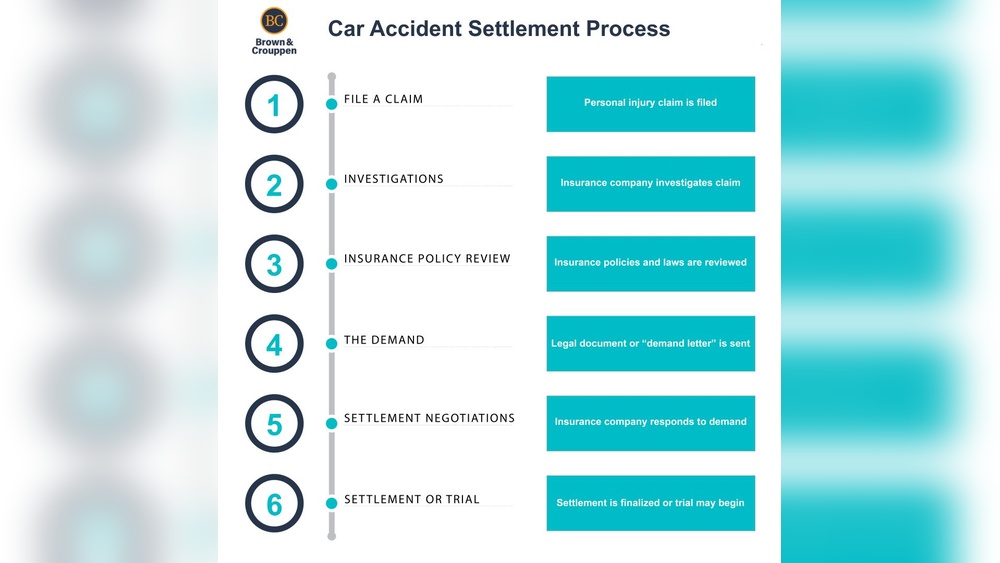
When you file an insurance claim, you expect a fair and timely response. But what happens if your claim is delayed, denied, or undervalued?
That’s where an insurance claim legal review becomes crucial. This review helps protect your rights and ensures the insurance company honors its obligations. You might feel overwhelmed by complicated policies and legal terms, but understanding this process can make all the difference.
Keep reading to discover how a legal review can strengthen your claim, prevent costly mistakes, and give you the confidence to stand up for what you deserve. Your peace of mind starts here.

Claim Preparation
Gather all essential documents before filing your claim. This includes policy papers, receipts, photos, and any proof of ownership. Keep everything organized and easy to find.
Notify your insurer as soon as possible. Call or email them with the claim details. Note down the date and time of your report. Early notification helps speed up the process.
Record damage and loss carefully. Take clear photos or videos of the damaged property. Write down what was lost or broken. This evidence supports your claim and shows the insurer the extent of damage.
Communicating With Adjusters
Avoid saying anything that admits fault or responsibility during calls. Do not give exact details about injuries or damages before a full evaluation. Avoid guessing or providing uncertain information. Keep answers short and clear. Never accept the first offer without question; it is usually low.
Stay calm and polite. Listen carefully to what the adjuster says. Ask for clarification if something is unclear. Always negotiate firmly but respectfully. Know your rights and the value of your claim before negotiating. Focus on facts, not emotions.
Write down the date, time, and name of each person you speak with. Keep records of all phone calls, emails, and letters. Save copies of any documents or photos sent or received. This helps track your claim’s progress and protects against misunderstandings.
Legal Rights In Claims
Policy terms define what your insurance covers and limits. Always read your policy carefully to understand your rights. Coverage limits set the maximum amount the insurer will pay for a claim. Knowing these limits helps avoid surprises during the claim process.
Bad faith insurance practices happen when insurers unfairly deny or delay claims. This can include lowball offers, ignoring claims, or refusing to explain decisions. Such actions may violate your legal rights and require attention.
Consult an attorney if your claim is denied without a clear reason. Legal help is important when dealing with complex policies or unfair treatment. Early advice can protect your rights and improve your chances of a fair settlement.
Claim Review Process
Insurers evaluate claims by checking all submitted documents. They verify the policy, damages, and cause. The process often includes contacting witnesses or experts. Claims with clear evidence get faster approval.
Common reasons for denials include incomplete information, policy exclusions, or late submissions. Sometimes, damage is not covered under the policy terms. Other times, the insurer suspects fraud or misrepresentation. Denials can also happen if the claim lacks proof.
| Step | Typical Timeline |
|---|---|
| Claim Filing | Day 1 |
| Initial Review | 3-7 days |
| Investigation | 7-30 days |
| Decision | Up to 45 days |
Disputing Denied Claims
Filing an appeal starts by carefully reading the denial letter. Note the reasons given for the denial. Follow the insurer’s appeal instructions exactly. Write a clear, simple appeal letter. Include your policy number and claim details. Ask for a full review of your claim.
Gathering supporting evidence can improve your chances. Collect all related documents like medical reports, receipts, and photos. Get statements from witnesses if possible. Organize everything neatly to help the reviewer understand your case. The more proof you provide, the stronger your appeal.
Legal actions against insurers may be necessary if appeals fail. Consulting a lawyer can clarify your rights. Lawsuits can force insurers to pay fair claims. Be aware of deadlines for filing legal cases. Keep all documents and communication with the insurer safe. This can help your legal team build a case.
Maximizing Settlement Outcomes
Legal review helps check claim details closely. It finds errors and missing facts that affect payouts. Experts spot issues insurers might use to deny claims.
Negotiating settlements means talking with insurers to get fair money. Clear facts and strong proof make talks better. Patience and calm words help reach good deals faster.
Avoiding common pitfalls stops delays and claim denials. Avoid giving too much info or quick answers. Keep copies of all papers and notes. Always ask questions if unsure about anything.
Local Resources In Austin, Texas
Austin, Texas offers several resources for those needing help with insurance claims. Many experienced insurance attorneys specialize in claim disputes. These lawyers understand local laws and can guide you through the process. You can find them through local bar associations or legal aid groups.
Texas state regulations protect claimants from unfair denials. The Texas Department of Insurance enforces these rules. They ensure insurance companies follow the law and treat claimants fairly. Knowing your rights under these laws can help you avoid common pitfalls.
Several support organizations and agencies in Austin assist with insurance claim issues. These include consumer protection groups and nonprofit legal services. They offer free advice and sometimes help with paperwork or representation.

Frequently Asked Questions
What Not To Say To The Insurance Adjuster?
Avoid admitting fault or exaggerating damages. Don’t share unnecessary personal information or accept early settlements. Stay factual and polite.
What Is The 80% Rule In Insurance?
The 80% rule in insurance requires you to insure property for at least 80% of its value to avoid reduced claim payments.
How Long Does It Take For A Claim To Be Investigated?
Claim investigations typically take 30 to 45 days but can vary based on complexity and insurer workload. Promptly provide all requested documents to avoid delays.
Which Insurance Company Denies The Most Claims?
State Farm and Allstate are often reported to deny the most insurance claims. Denial rates vary by policy type and region. Always review your policy carefully.
Conclusion
A legal review helps you understand your insurance claim better. It ensures your rights are protected during the process. You gain clarity on what to expect from your insurer. Knowing the legal details can prevent costly mistakes. Don’t rush through your claim without checking the fine print.
A careful review increases your chances of a fair outcome. Always stay informed and ask questions when unsure. This simple step can save time and reduce stress. Trust the process, but stay alert and prepared.
Read More
- Car Crash Attorney Review: Expert Insights for Your Case Success
- Contingency Accident Lawyer Fees: What You Need to Know Today
- Permanent Impairment Claim Value: Maximize Your Compensation Today
- Accident Rehabilitation Compensation: Maximize Your Claim Today
- Accident Compensation Filing Process: Ultimate Guide to Maximize Claims
- Crash Claim Evidence Guide: Essential Tips to Win Your Case
- Accident Claim Settlement Help: Expert Tips to Maximize Your Payout
- Pain Damages Legal Advice: Expert Tips to Maximize Your Claim
- Accident Damages Calculation: Maximize Your Compensation Today
- Accident Counsel Free Consultation: Get Expert Help Now!