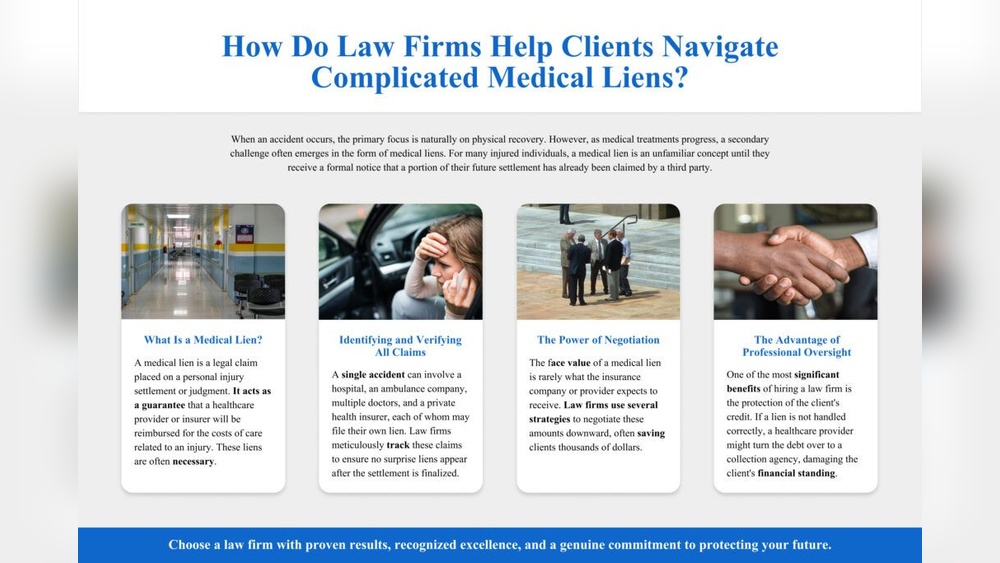
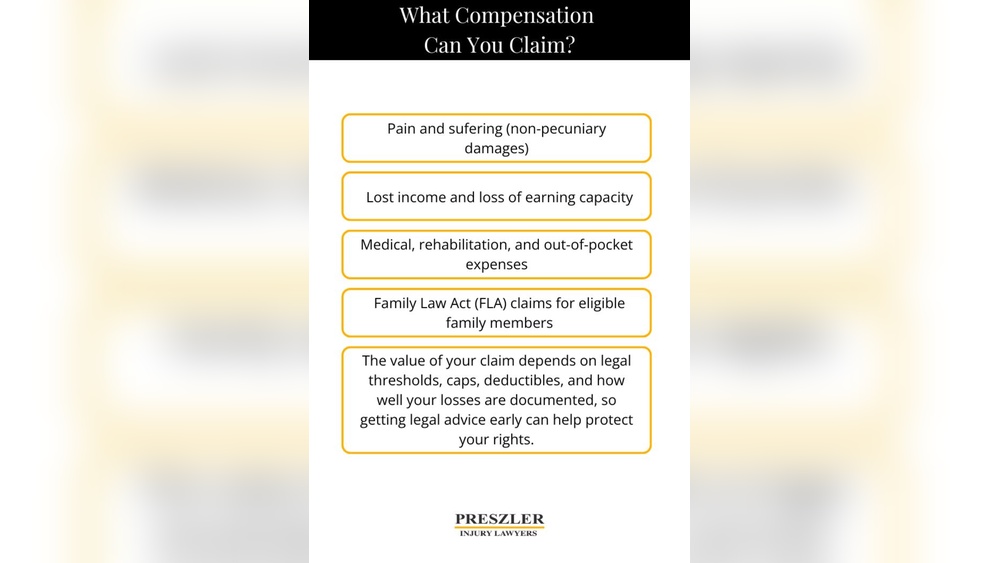
If you’ve been hurt in an accident or faced an injury that changed your life, you might be wondering how to get the compensation you truly deserve. Pain damages are more than just numbers—they represent your physical pain, emotional distress, and the impact on your daily life.
But navigating the legal side can feel overwhelming. That’s why getting clear, trustworthy legal advice is crucial. You’ll discover what pain damages mean, how to know if pursuing a claim is worth it, and practical steps to protect your rights.
Keep reading to empower yourself with the knowledge that can help you take control of your recovery and your future.
Types Of Pain Damages
Physical pain compensation covers damages for injuries causing real body pain. It includes pain from accidents, surgeries, or ongoing health issues. Courts consider the intensity and duration of this pain.
Emotional distress claims address mental suffering caused by an injury or event. This can include anxiety, depression, or trauma. Proof often requires medical or psychological reports.
Loss of enjoyment of life means the victim can no longer enjoy daily activities. Hobbies, social life, and work may be affected. Compensation helps cover this significant change in lifestyle.
Calculating Pain And Suffering
The Multiplier Method uses a number to calculate pain and suffering damages. This number usually ranges from 1.5 to 5. It multiplies your medical bills or economic losses. The higher the pain or injury, the bigger the multiplier.
The Per Diem Approach assigns a daily dollar amount for your pain. This amount covers your physical and emotional suffering. The total payout equals this daily rate times the number of days you suffered.
| Factors Influencing Payouts | Description |
|---|---|
| Severity of Injury | More serious injuries get higher payouts. |
| Duration of Pain | Longer pain means larger compensation. |
| Effect on Life | How much the injury changes daily activities matters. |
| Emotional Impact | Emotional distress or mental suffering affects the payout. |
Legal Requirements In Texas
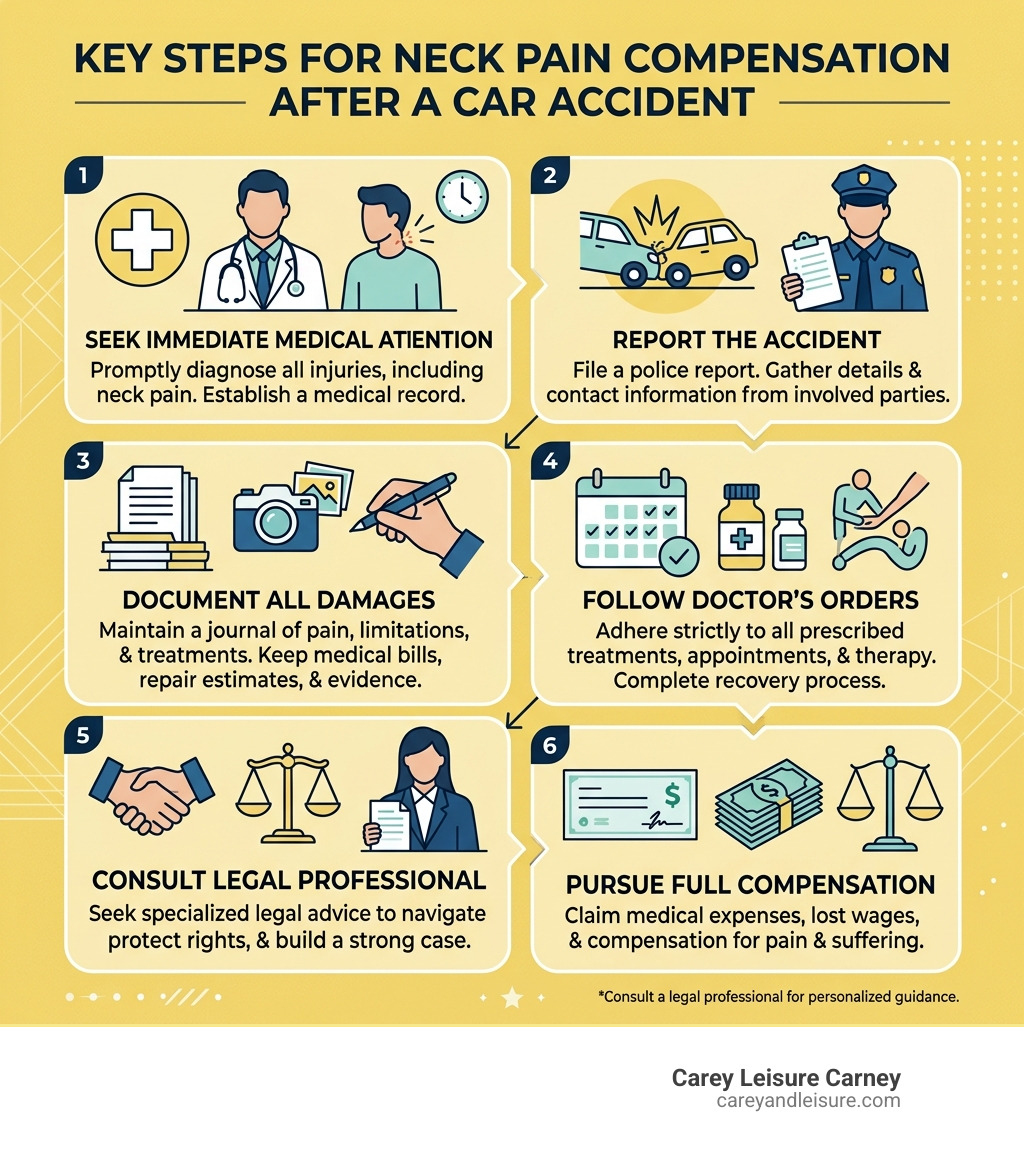
Proving negligence means showing someone did not act carefully. You must prove they caused your pain or injury. Evidence like photos, witness statements, or police reports helps. This proof is key to winning your case.
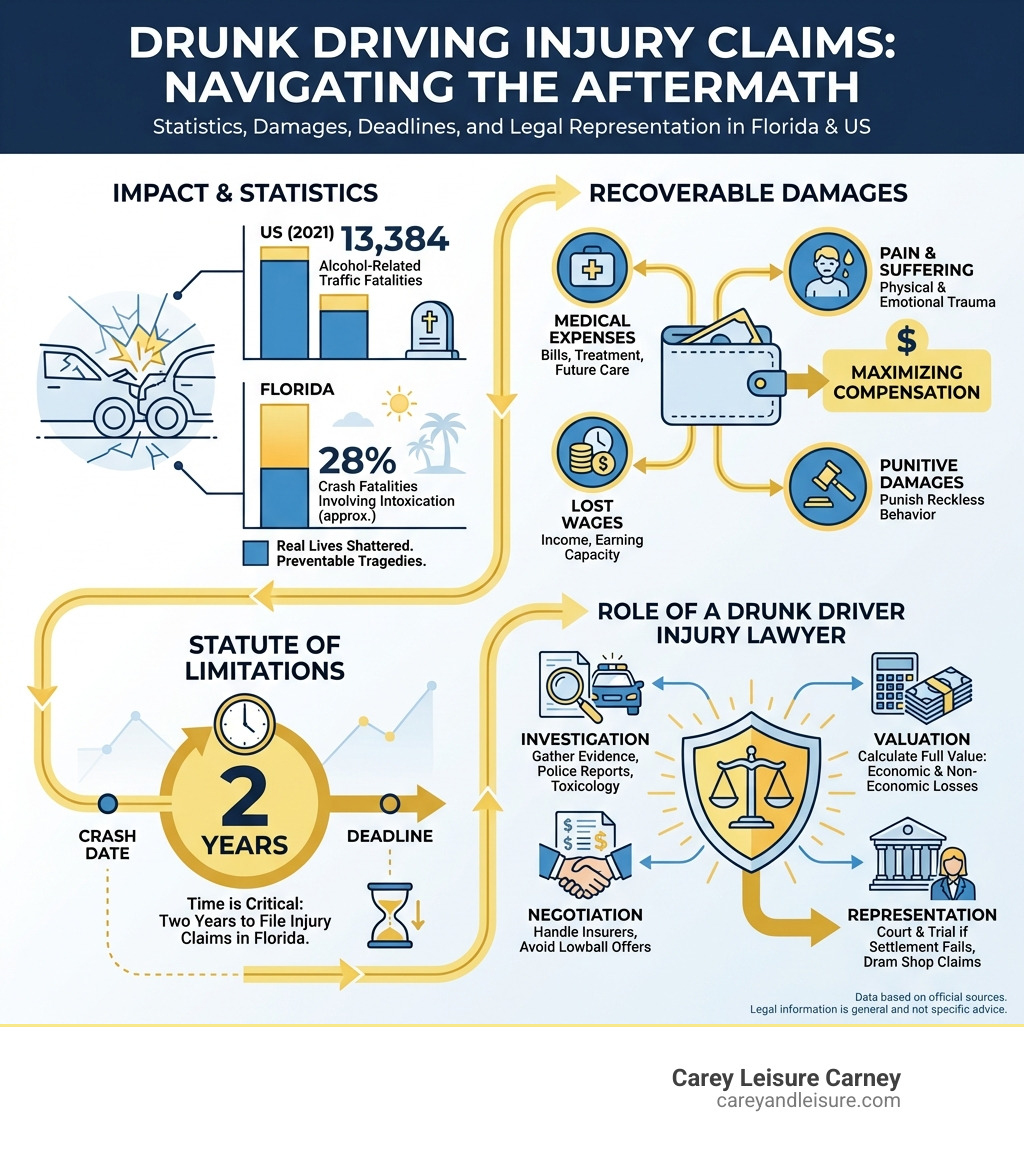
The statute of limitations in Texas is usually two years. This means you have two years from the injury date to file a claim. Missing this deadline can stop you from getting any money.
Documentation needed includes medical records, bills, and proof of lost wages. Keep all papers about your injury and treatment. These documents show how the injury affected your life and costs.
Working With Injury Lawyers
Choosing the right attorney means finding someone with experience in pain damage cases. Ask about their success rate and how many cases they have handled.
During the consultation, expect to discuss your injury details and how it affects your life. The lawyer will explain possible outcomes and next steps clearly.
Lawyers maximize claims by gathering strong evidence and working with experts. They negotiate with insurance companies to get the best settlement possible. They also prepare cases for court if needed.
Dealing With Insurance Companies
Insurance companies often use common tactics to lower your pain damages payout. They may delay communication or offer quick settlements that seem easy but are usually too low. Watch for minimizing your injuries or blaming you for the accident. These moves try to reduce their payout.
Negotiating takes patience and clear facts. Keep all medical records and evidence ready. Stay calm and don’t accept the first offer. Ask for time to review and talk to a lawyer. Being firm but polite helps in getting better offers.
Reject initial offers if they don’t cover your medical bills, lost wages, or pain and suffering. Low offers often ignore emotional distress. Waiting and pushing for a fair amount can lead to more money. Trust your gut and stand your ground.
Maximizing Your Claim
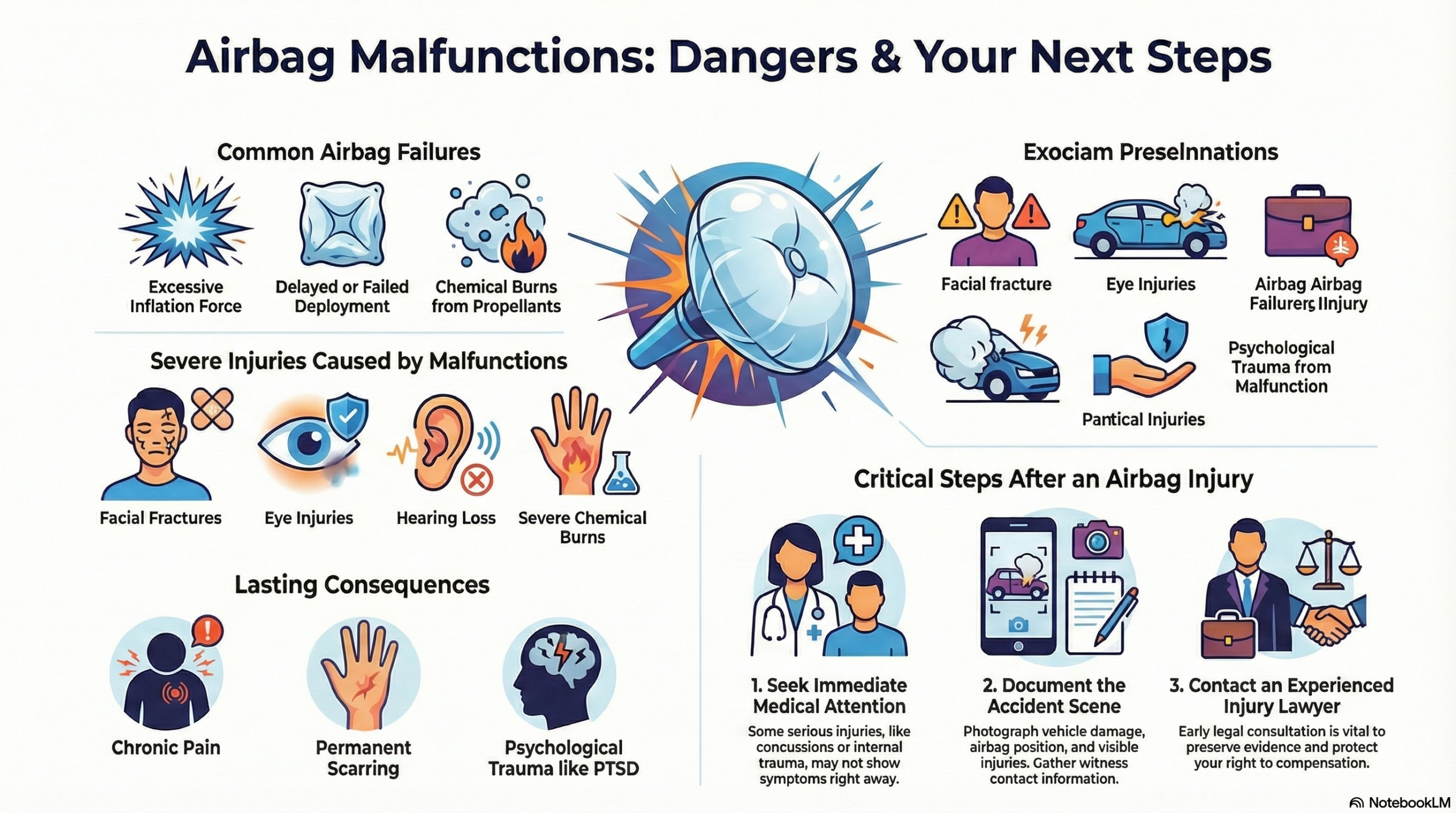
Strong evidence is key to winning pain damage claims. Keep all medical records and bills safe. Take photos of injuries and accident scenes. Write down how pain affects daily life. Use a pain diary to track changes and treatments.
Documenting pain and suffering shows how much the injury impacts life. Include emotional effects like stress or anxiety. Describe lost sleep, hobbies, or work problems. Ask friends or family to write about changes they see.
Expert witnesses can explain the injury’s impact clearly. Doctors and therapists give professional opinions. They help prove the injury’s seriousness and future care needs. Experts make claims stronger and easier to understand.
Average Settlements And Awards
Settlements for pain and suffering in Texas vary widely. Typical payouts range from $10,000 to $250,000, depending on injury severity. Minor injuries may get lower amounts, while severe cases often receive higher awards.
Several factors affect settlement size. These include the extent of physical pain, emotional distress, medical bills, and impact on daily life. The victim’s age and job loss can also influence the payout. Insurance limits and legal representation play roles as well.
| Case Example | Injury Type | Settlement Amount |
|---|---|---|
| Car Accident | Whiplash and emotional trauma | $35,000 |
| Slip and Fall | Broken arm and pain | $75,000 |
| Work Injury | Back injury and depression | $120,000 |
Free And Low-cost Legal Resources
Pro bono services in Austin offer free legal help for those who cannot afford a lawyer. These services are provided by lawyers who volunteer their time to assist people with pain damages cases. Many local law firms and legal groups participate in pro bono programs, helping clients understand their rights and options.
Legal aid organizations provide support to low-income individuals. They offer advice, help with paperwork, and sometimes represent clients in court. In Austin, groups like Texas RioGrande Legal Aid and Lone Star Legal Aid are known for assisting with personal injury and pain damages cases.
Seek free legal advice if you cannot pay for a lawyer or need guidance on your case. Early advice can help you avoid mistakes and improve your chances of fair compensation. Many organizations offer free initial consultations, so take advantage of these opportunities to understand your rights.
Frequently Asked Questions
Is It Worth Suing For Pain And Suffering?
Suing for pain and suffering can be worth it if your injury caused significant physical or emotional harm. Consult a personal injury lawyer to evaluate your case and potential compensation.
What Is The Average Payout For Pain And Suffering?
The average pain and suffering payout ranges from $5,000 to $50,000, depending on injury severity and case details.
What Are The 4 Proofs Of Negligence?
The four proofs of negligence are duty, breach, causation, and damages. Duty means a legal obligation existed. Breach occurs when duty is violated. Causation links the breach to harm. Damages prove actual injury or loss resulted from the breach.
How Much Money Is Emotional Distress Worth?
Emotional distress compensation varies widely based on case facts, injury severity, and jurisdiction. Awards often range from thousands to millions of dollars. Courts assess evidence like medical records, testimony, and impact on daily life. Consulting a personal injury lawyer helps estimate your case’s potential value accurately.
Conclusion
Understanding pain damages helps you make informed legal choices. Seek advice early to protect your rights. Legal experts guide you through complex injury claims. Knowing your options can ease stress and uncertainty. Taking action can lead to fair compensation for your suffering.
Remember, each case is unique and needs careful attention. Don’t wait too long; legal time limits apply. Your well-being matters, and help is available nearby.
Read More
- Car Crash Attorney Review: Expert Insights for Your Case Success
- Contingency Accident Lawyer Fees: What You Need to Know Today
- Permanent Impairment Claim Value: Maximize Your Compensation Today
- Accident Rehabilitation Compensation: Maximize Your Claim Today
- Insurance Claim Legal Review: Maximize Your Settlement Success
- Accident Compensation Filing Process: Ultimate Guide to Maximize Claims
- Crash Claim Evidence Guide: Essential Tips to Win Your Case
- Accident Claim Settlement Help: Expert Tips to Maximize Your Payout
- Accident Damages Calculation: Maximize Your Compensation Today
- Accident Counsel Free Consultation: Get Expert Help Now!