
If you’ve suffered a lasting injury, understanding the value of your permanent impairment claim is crucial. This isn’t just about numbers—it directly affects the compensation you deserve.
You might be wondering, “How much can I really get? ” or “What factors influence my claim’s worth? ” Knowing the answers can make a huge difference in securing fair benefits. You’ll discover how permanent impairment is rated, what impacts your claim value, and practical steps to maximize your settlement.
Don’t leave money on the table—get the facts you need to protect your rights and your future. Keep reading to learn exactly what your permanent impairment claim value means for you.
Permanent Impairment Basics
Permanent impairment means lasting damage to the body after injury. It does not improve with treatment. Doctors measure how much function is lost. This is called an impairment rating. It helps decide the claim value for compensation.
Impairment ratings use a scale from 0 to 100. Zero means no impairment. One hundred means total loss of function. Ratings are based on medical exams and guidelines.
| Type of Rating | Description |
|---|---|
| Whole Person Impairment | Measures overall body function loss as a percentage. |
| Body Part Impairment | Assesses damage to a specific body part or system. |
| Functional Impairment | Focuses on how injury affects daily activities and work. |
Calculating Claim Value
Medical evaluations play a key role in determining permanent impairment claims. Doctors assess the injury severity and lasting effects. These reports form the basis of the claim value.
The vocational background also matters. Jobs requiring physical labor may increase compensation. White-collar jobs might lower the claim value. This is because the injury’s impact varies by profession.
| Factor | Effect on Claim Value |
|---|---|
| Medical Evaluations | Determine injury severity and permanence |
| Vocational Background | Increases or decreases claim based on job type |
| Degree of Disability | Higher disability means higher compensation |
| Age and Future Employment | Older age or limited future work can raise value |
Maximizing Your Compensation
Strong medical evidence is key for a permanent impairment claim. Detailed reports from doctors help prove the injury’s impact. Include all test results, scans, and treatment records. Consistent medical opinions make your claim stronger.
Keep careful records of lost wages and benefits. Show how the injury affected your ability to work. Attach pay stubs, tax returns, or employer letters. This proof helps calculate fair compensation.
Understanding legal procedures saves time and stress. File all documents on time and follow claim rules carefully. Seek guidance if unsure about forms or deadlines. Clear communication with your lawyer or claims adjuster is essential.
Common Challenges
Disputes over impairment ratings often arise because doctors may disagree. Each doctor might give a different score for the same injury. This can confuse claimants and slow down the process.
Delays in claim processing happen due to paperwork errors or missing documents. Insurance companies may take a long time to review claims. These delays can cause financial stress for injured workers.
Handling insurance denials is another big challenge. Insurance companies may deny claims to avoid paying. Claimants need to understand their rights and seek help if denied unfairly.
Legal Resources And Support
Hiring an experienced attorney can improve your claim’s success. They know the laws and help gather evidence. Attorneys guide you through complex paperwork and protect your rights.
Using official claim forms is crucial. These forms must be filled out correctly to avoid delays. Always check for the latest version and follow instructions carefully.
State workers’ compensation programs offer support and benefits. Each state has different rules and coverage. Contact your state office to learn about your options and application process.

Estimating Settlement Amounts
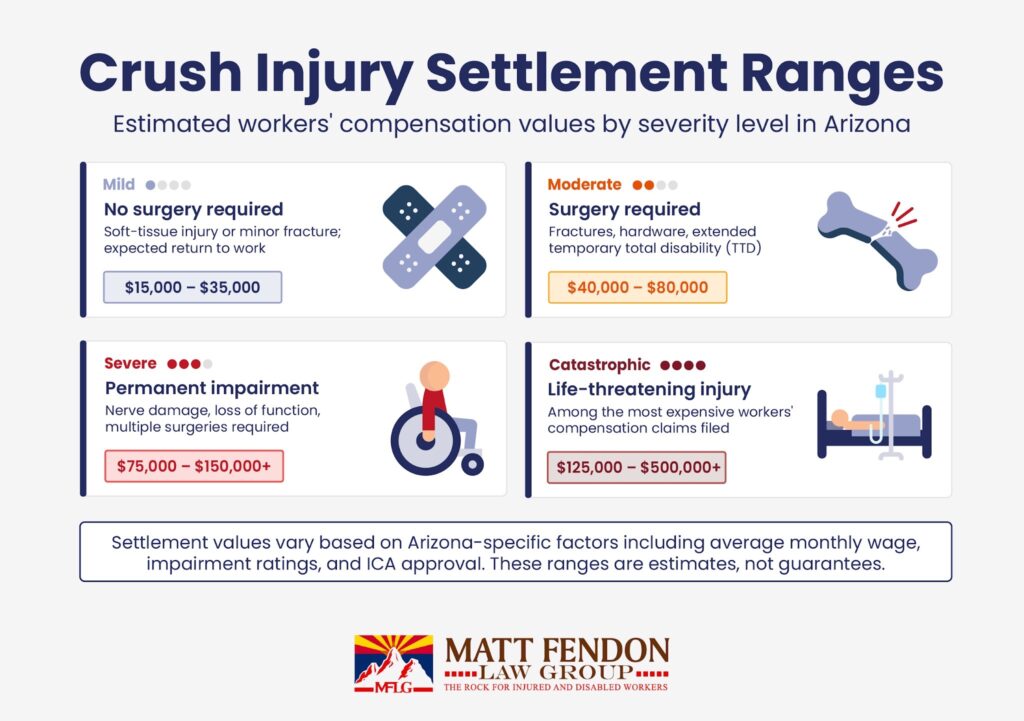
Typical settlements for permanent impairment claims often range from $25,000 to $250,000. The exact amount depends on the severity of the injury and the impact on daily life.
Online calculators offer quick estimates by asking for details like injury type and disability percentage. These tools provide a rough settlement value but may not consider all factors.
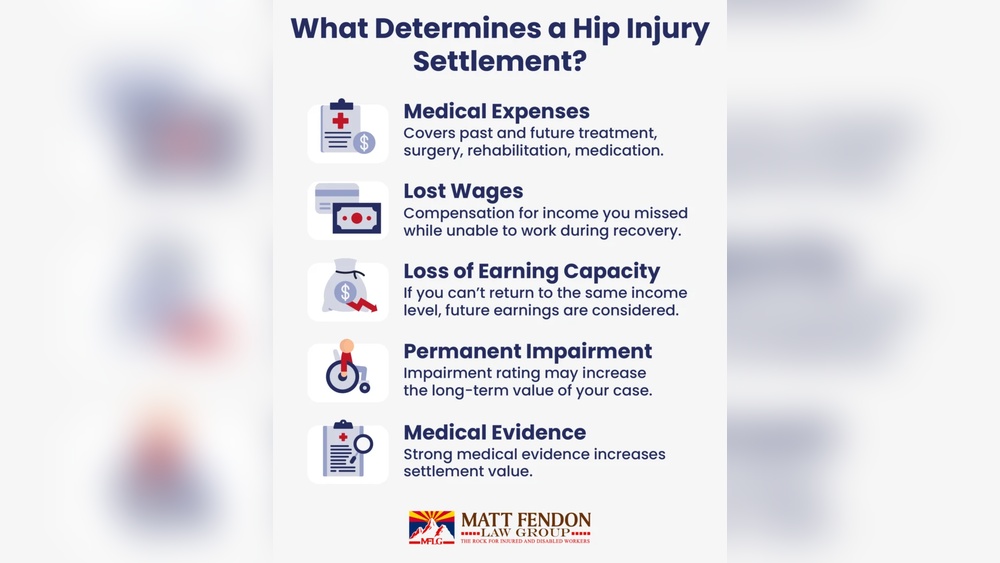
Several factors can increase settlement values:
- Severity of the impairment
- Age and job type of the claimant
- Medical costs and future care needs
- Loss of income or earning capacity
- Legal representation quality
Permanent Impairment In Texas
Texas laws set clear rules for permanent impairment claims. These laws help decide how much money a person may get if hurt badly at work. The impairment rating system uses medical tests to give a number to the injury’s severity. This number guides the amount of compensation.
Doctors in Texas use special charts and guides to find the right rating. The rating shows the percentage of permanent damage. The higher the rating, the more money a person can claim.
| Resource | Contact Info | Purpose |
|---|---|---|
| Texas Department of Insurance | www.tdi.texas.gov | Rules and claim forms |
| Texas Workers’ Compensation Division | 1-800-252-7031 | Claim help and questions |
| Local Legal Aid | Varies by county | Free legal advice |
Frequently Asked Questions
How Much Will I Get From A $50,000 Settlement?
From a $50,000 settlement, expect to receive the amount minus attorney fees, medical bills, and taxes. Exact payout varies.
How Much Do You Get For Permanent Impairment?
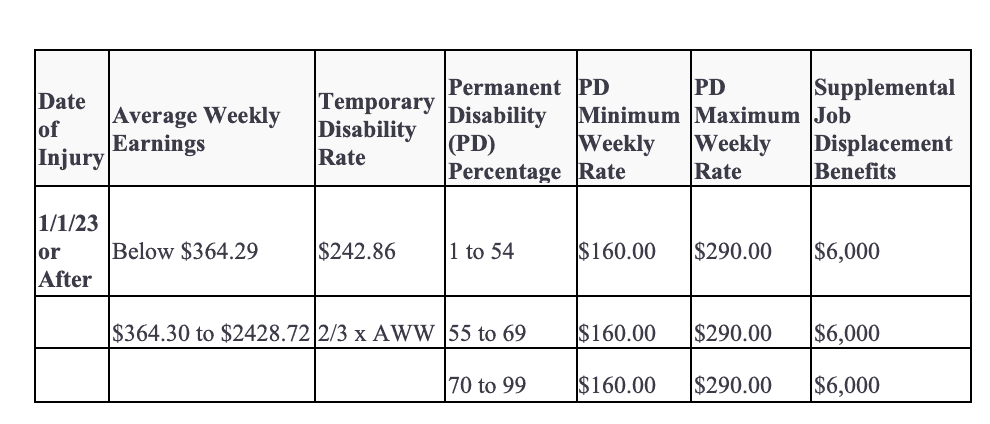
Permanent impairment compensation depends on your impairment rating and average weekly wage. Settlements typically range from $25,000 to $250,000. The exact amount varies by injury severity, medical evaluation, and state laws. Consult a legal expert to get an accurate estimate for your case.
What Does 30% Impairment Mean?
A 30% impairment means a person has lost 30% of normal body function due to injury or illness. This rating helps determine compensation and benefits. It reflects permanent physical limitations impacting daily activities and work ability. Medical evaluations establish this percentage based on standardized guidelines.
What To Do With A $500,000 Settlement?
Invest in diversified assets, pay off debts, save for emergencies, and consult a financial advisor to plan wisely.
Conclusion
Understanding the permanent impairment claim value helps you know what to expect. Your claim depends on injury severity, medical reports, and wage history. Accurate documentation can increase your claim’s worth. Always consult a knowledgeable expert to guide you through the process.
Knowing your rights ensures fair compensation for your impairment. Stay informed and prepared to protect your interests. This knowledge empowers you to make better decisions about your claim.
Read More
- Car Crash Attorney Review: Expert Insights for Your Case Success
- Contingency Accident Lawyer Fees: What You Need to Know Today
- Accident Rehabilitation Compensation: Maximize Your Claim Today
- Insurance Claim Legal Review: Maximize Your Settlement Success
- Accident Compensation Filing Process: Ultimate Guide to Maximize Claims
- Crash Claim Evidence Guide: Essential Tips to Win Your Case
- Accident Claim Settlement Help: Expert Tips to Maximize Your Payout
- Pain Damages Legal Advice: Expert Tips to Maximize Your Claim
- Accident Damages Calculation: Maximize Your Compensation Today
- Accident Counsel Free Consultation: Get Expert Help Now!