Have you recently been in an accident and aren’t sure how to get the compensation you deserve? Understanding the accident compensation filing process can feel overwhelming, especially when you’re dealing with injuries, bills, and insurance companies.
But knowing the right steps to take can make a huge difference in protecting your rights and speeding up your claim. You’ll discover a clear, step-by-step guide to help you confidently file your accident compensation claim. From gathering crucial evidence to communicating with insurance adjusters, we’ll walk you through everything you need to know so you don’t miss out on the compensation you’re entitled to.
Keep reading to take control of your claim and get the support you need during this challenging time.
Initial Steps After An Accident
Collecting driver and witness information is crucial right after an accident. Get the full name, phone number, and insurance details of all drivers involved. Note down the contact information of any witnesses. This info helps when filing a claim or reporting the accident.
Documenting the accident scene involves taking clear photos of the damage to all vehicles. Capture the location, road conditions, and any traffic signs or signals nearby. Write down the time, date, and weather conditions. These details provide important proof for your claim.
Reporting the accident to authorities must be done promptly. Call the police and wait for them to arrive. Provide a clear and honest account of what happened. Ask for a copy of the police report or the report number. This report supports your compensation claim.
Notifying Your Insurance Company
Contact your insurance company quickly after an accident. Provide clear and accurate details about what happened. Include the date, time, location, and any other important facts. This helps the insurer process your claim faster.
Keep a record of all communication. Note the names of people you speak with and the time of calls. Save emails and letters related to your claim. These records protect you if there is any dispute later.
Being honest and precise during your conversations builds trust. Avoid guessing or giving incomplete information. The insurer needs the full story to evaluate your claim properly.
Gathering Evidence For Your Claim
Collecting medical records is key for your claim. These papers show the treatment you received and prove your injuries. Ask your doctor or hospital for copies. Keep these documents safe and organized.
Securing police reports helps support your case. The report has details about the accident, like time, place, and cause. Contact the police department to get a copy. This report is often crucial for insurance claims.
Obtaining witness statements adds strong support to your claim. Witnesses can tell what they saw or heard. Write down their names and contact info. Ask them to describe the accident clearly and truthfully.

Filing The Compensation Claim
Fill out all claim forms carefully. Use clear and simple words. Check every section to avoid mistakes. Missing or wrong info can delay your claim.
Gather supporting documents like police reports, medical bills, and photos. These prove your case. Keep copies for your records. Submit everything together to avoid extra requests.
Meet all filing deadlines. Deadlines vary by state and claim type. Late claims might be rejected. Mark important dates on your calendar. Act quickly to protect your rights.
Dealing With Insurance Adjusters
Prepare carefully for questions from insurance adjusters. They often ask about the accident details, injuries, and damages. Stay calm and answer only what is asked. Avoid sharing extra information that might weaken your claim.
Common mistakes to avoid include admitting fault, guessing answers, or signing forms without reading. Keep a written record of all conversations with the adjuster. This helps track your claim progress and protects your rights.
Negotiating fair settlements requires patience and knowledge. Know your damages and medical costs before discussing money. Don’t accept the first offer; it may be too low. Polite but firm communication can help reach a better agreement. Consider consulting a lawyer if needed.
When To Hire An Attorney
Assessing claim complexity helps decide if legal help is needed. Simple cases may not require a lawyer. Complex cases with serious injuries or disputed facts often do.
Legal representation offers many benefits. Lawyers understand the law and paperwork. They can negotiate with insurance companies and protect your rights. Having an attorney may increase your chance of a fair settlement.
Finding the right personal injury lawyer takes some effort. Look for someone with experience in accident claims. Check reviews and ask for referrals. Make sure you feel comfortable and understood by them.
Filing A Lawsuit If Necessary
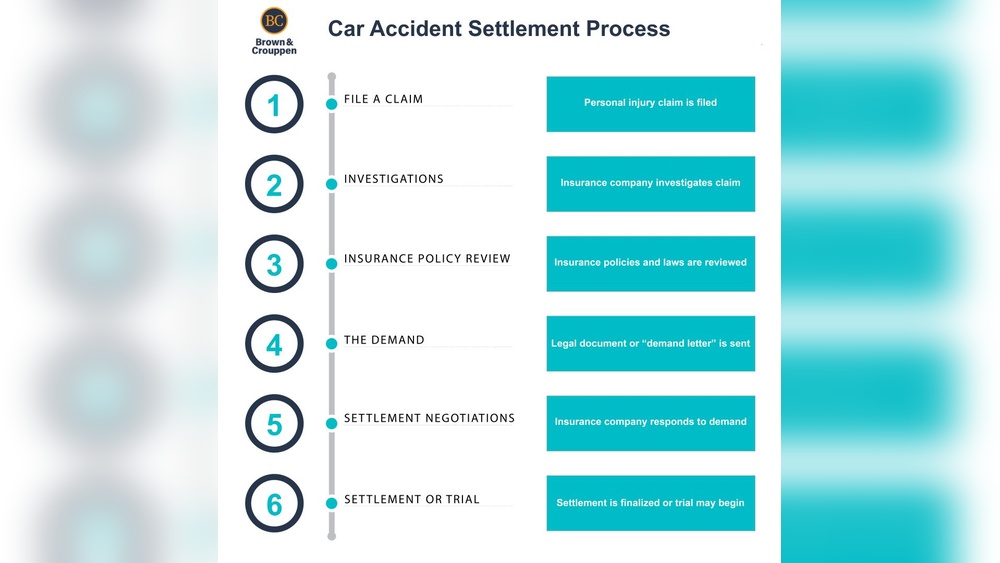
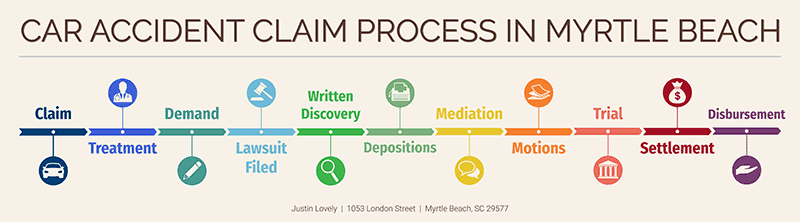
Drafting the Complaint is the first legal step. This document states the facts and claims. It tells the court why the lawsuit is needed. The complaint must be clear and precise. It sets the stage for the case.
Discovery and Evidence Exchange is when both sides share information. They swap documents, witness lists, and other proof. This phase helps find facts and avoid surprises. It can include depositions, where witnesses answer questions under oath.
Mediation and Trial Process often follow discovery. Mediation tries to settle the case without a trial. A neutral mediator helps both sides agree. If no settlement happens, the case goes to trial. At trial, both sides present their evidence and arguments. The judge or jury then decides the outcome.

Maximizing Your Compensation
Calculating economic damages means adding up all your financial losses. This includes medical bills, lost wages, and property damage. Future medical expenses must be estimated with help from doctors. These costs cover treatments, therapy, and medication you might need later.
Non-economic damages cover things that money cannot easily fix. These include pain, suffering, emotional distress, and loss of enjoyment. To claim for pain and suffering, keep a diary of how the injury affects your daily life. Medical records and witness statements help prove your case.
Both damages are important to get the full compensation you deserve. A clear and detailed claim shows the true impact of your accident.
Common Pitfalls To Avoid
Never admit fault or say anything that might sound like an apology. Insurers may use such statements to reduce your claim. Stick to the facts only. Avoid guessing or speculating about the accident details.
Call your insurer quickly to avoid delays. Late filing can cause your claim to be denied. Keep a written record of every call, including dates, times, and names of the people you speak with.
Store all evidence safely. This includes photos, witness contacts, and medical reports. Losing evidence can weaken your claim and slow the process.
| Common Mistakes | How to Avoid |
|---|---|
| Admitting fault to insurers | Provide facts only, no personal opinions |
| Delaying claim filing | File claims as soon as possible |
| Losing important evidence | Keep all documents and photos safe |
Frequently Asked Questions
How Much Will I Get From A $50,000 Settlement?
From a $50,000 settlement, expect deductions for legal fees, medical bills, and taxes. Your net amount varies by case specifics.
What Not To Say When Filing A Claim?
Avoid admitting fault or exaggerating injuries when filing a claim. Do not provide inconsistent or incomplete information. Refrain from making statements that could undermine your case. Stay factual, clear, and honest to protect your compensation rights.
Can You Get Compensation For Nerve Damage?
Yes, you can receive compensation for nerve damage caused by accidents or negligence. File a personal injury claim with detailed evidence.
What Are The 7 Steps Of Accident Investigation?
The 7 steps of accident investigation are: secure the scene, collect evidence, interview witnesses, analyze data, identify causes, recommend actions, and document findings.
Conclusion
Filing an accident compensation claim takes patience and clear steps. Gather all accident details carefully and keep good records. Contact your insurance company promptly and stay honest in your statements. Follow the process step-by-step to avoid delays or denials. Ask for help if you feel unsure about any part.
Staying organized and informed improves your chance of fair compensation. Remember, your focus should be on recovery and getting the support you need. Taking action early helps protect your rights and peace of mind.
Read More
- Car Crash Attorney Review: Expert Insights for Your Case Success
- Contingency Accident Lawyer Fees: What You Need to Know Today
- Permanent Impairment Claim Value: Maximize Your Compensation Today
- Accident Rehabilitation Compensation: Maximize Your Claim Today
- Insurance Claim Legal Review: Maximize Your Settlement Success
- Crash Claim Evidence Guide: Essential Tips to Win Your Case
- Accident Claim Settlement Help: Expert Tips to Maximize Your Payout
- Pain Damages Legal Advice: Expert Tips to Maximize Your Claim
- Accident Damages Calculation: Maximize Your Compensation Today
- Accident Counsel Free Consultation: Get Expert Help Now!