Have you recently been involved in an accident and wonder if you have a strong negligence case? Understanding how your case will be evaluated is key to knowing what to expect and how to protect your rights.
Accident negligence case evaluation breaks down the facts, evidence, and legal standards to determine if you can claim compensation for your injuries. This process might seem overwhelming, but it’s crucial for making informed decisions about your next steps. Keep reading to discover what goes into evaluating your case and how this knowledge can empower you to get the justice and support you deserve.
Key Elements Of Negligence
Documenting all damages is key for negotiation. Keep records of medical bills, repair costs, and lost wages. Take photos of injuries and property damage. Write down how the accident affected daily life. These details help prove the full impact of the accident.
Understanding insurance policies helps avoid surprises. Read the policy carefully to know coverage limits and exclusions. Know what the insurer will pay and what you must cover. This knowledge guides realistic settlement expectations.
Setting realistic settlement goals saves time and frustration. Consider all damages and insurance limits. Avoid asking for too much or too little. Aim for a fair amount based on facts and policy terms. Clear goals keep negotiations focused and productive.

Gathering Essential Evidence
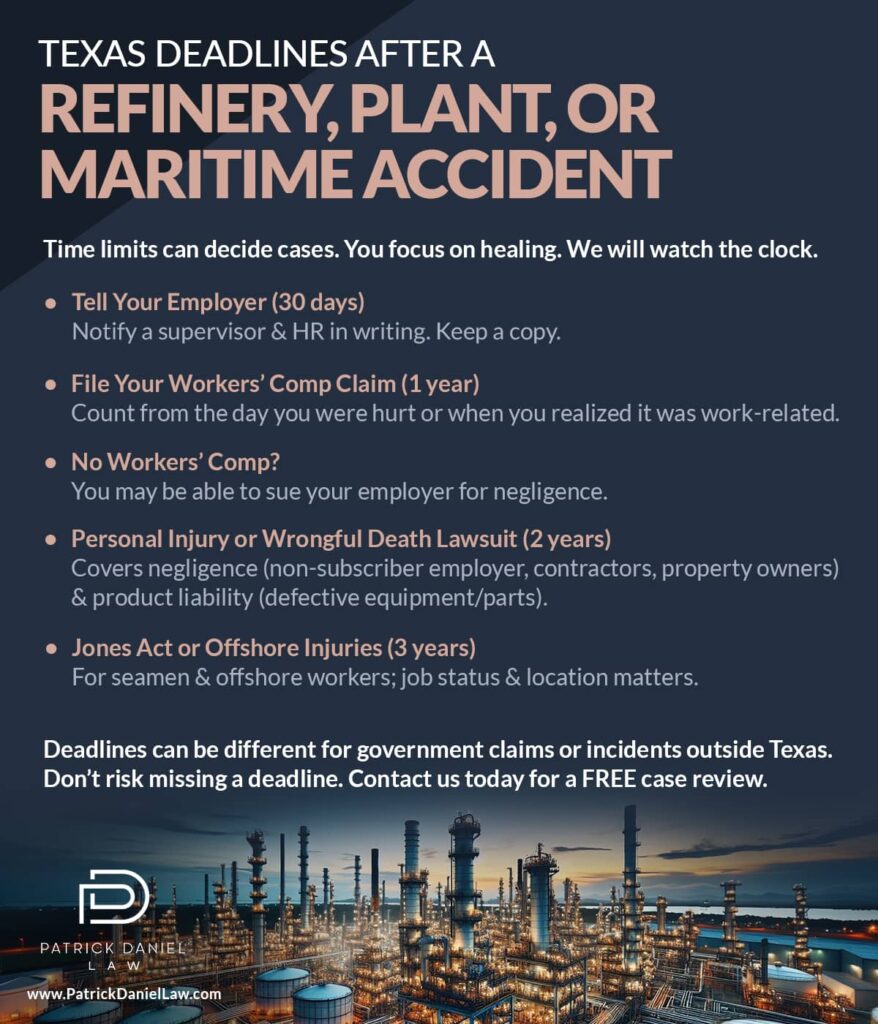
Missing deadlines can end a case before it starts. Courts set strict time limits to file claims. Missing these deadlines means losing the right to sue. Always check the deadline for your case and act fast.
Inadequate evidence collection weakens your claim. Collect photos, witness names, and medical records. The more solid evidence you have, the better your chances. Don’t rely on memory alone; write things down as soon as possible.
Underestimating case complexity leads to surprises. Some cases need expert advice or special documents. Simple accidents can have hidden issues. Understand all facts before deciding on a quick settlement.

Frequently Asked Questions
How Much Will I Get From A $50,000 Settlement?
The amount you receive from a $50,000 settlement depends on taxes, legal fees, and medical costs. Expect 60-80% after deductions.
What Are The 4 Tests Of Negligence?
The four tests of negligence are duty of care, breach of that duty, causation linking breach to harm, and actual damages suffered.
What Is The Average Payout For Negligence?
The average negligence payout varies widely, typically ranging from $30,000 to $150,000 depending on case severity and damages.
What Is The 50 Rule For Negligence?
The 50 rule for negligence means if a person is 50% or more at fault, they cannot recover damages. It limits compensation based on fault percentage.
Conclusion
Evaluating an accident negligence case takes careful thought and clear facts. Understanding who had a duty and how it was broken is key. Gathering strong evidence helps show how the injury happened. Each detail matters when proving negligence in court.
Remember, timely action improves your chances of a fair outcome. Stay focused on the facts to build your case well. Knowing the process can reduce stress and uncertainty. Taking these steps helps protect your rights after an accident.
Read More
- Car Crash Attorney Review: Expert Insights for Your Case Success
- Contingency Accident Lawyer Fees: What You Need to Know Today
- Permanent Impairment Claim Value: Maximize Your Compensation Today
- Accident Rehabilitation Compensation: Maximize Your Claim Today
- Insurance Claim Legal Review: Maximize Your Settlement Success
- Accident Compensation Filing Process: Ultimate Guide to Maximize Claims
- Crash Claim Evidence Guide: Essential Tips to Win Your Case
- Accident Claim Settlement Help: Expert Tips to Maximize Your Payout
- Pain Damages Legal Advice: Expert Tips to Maximize Your Claim
- Accident Damages Calculation: Maximize Your Compensation Today